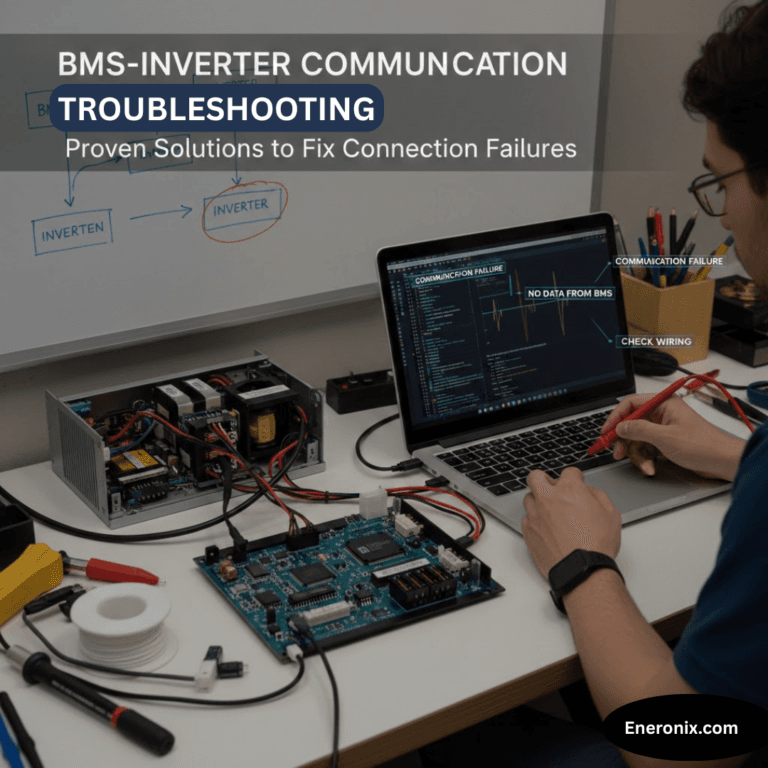
BMS-Inverter Communication Troubleshooting: Proven Solutions to Fix Connection Failures
Diagnose BMS-inverter communication faults using a proven field method. Covers CAN termination, cabling, protocol settings, EMI, and firmware issues.
Your Energy, Our Precision
Your Energy, Our Precision
Diagnose BMS-inverter communication faults using a proven field method. Covers CAN termination, cabling, protocol settings, EMI, and firmware issues.
Introduction Analysis of monitoring data from 200 residential solar-storage…
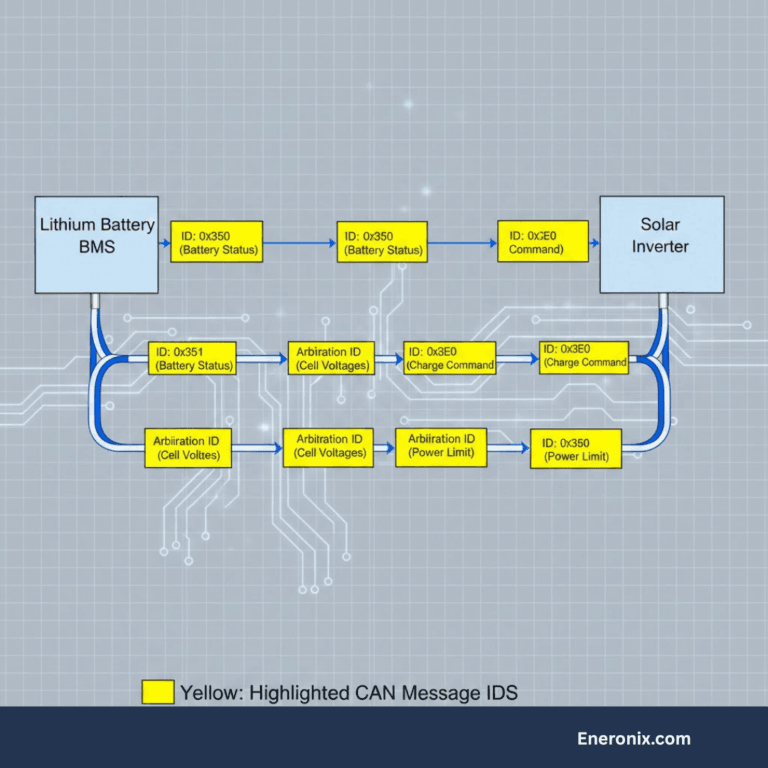
Deep technical breakdown of the Pylontech protocol, message IDs, byte structure, and why many “compatible” BMS clones fail with inverters.
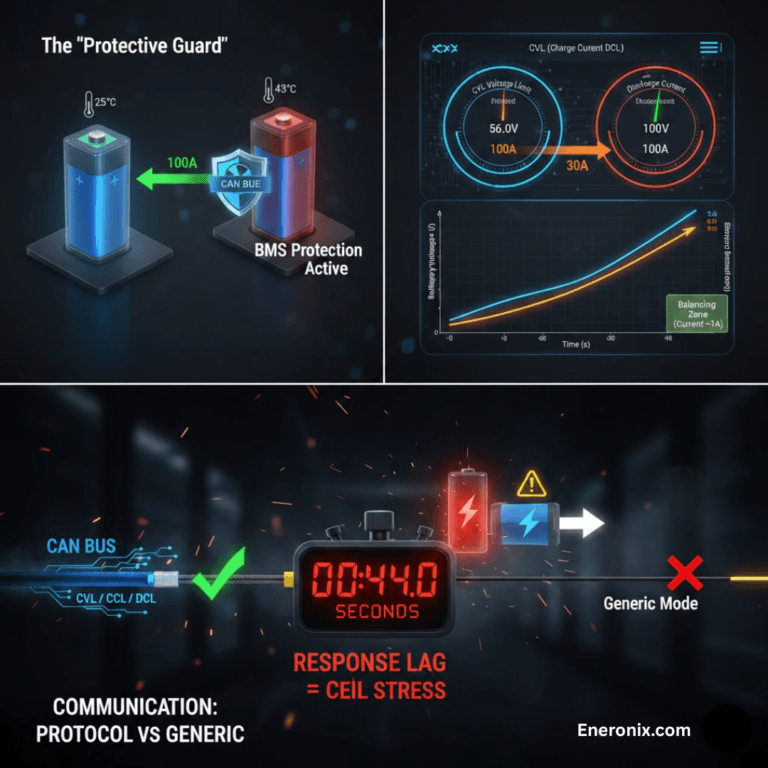
Learn how CVL, CCL, and DCL battery limits work in real time, how BMS commands affect inverters, and why charging and power limits change dynamically.
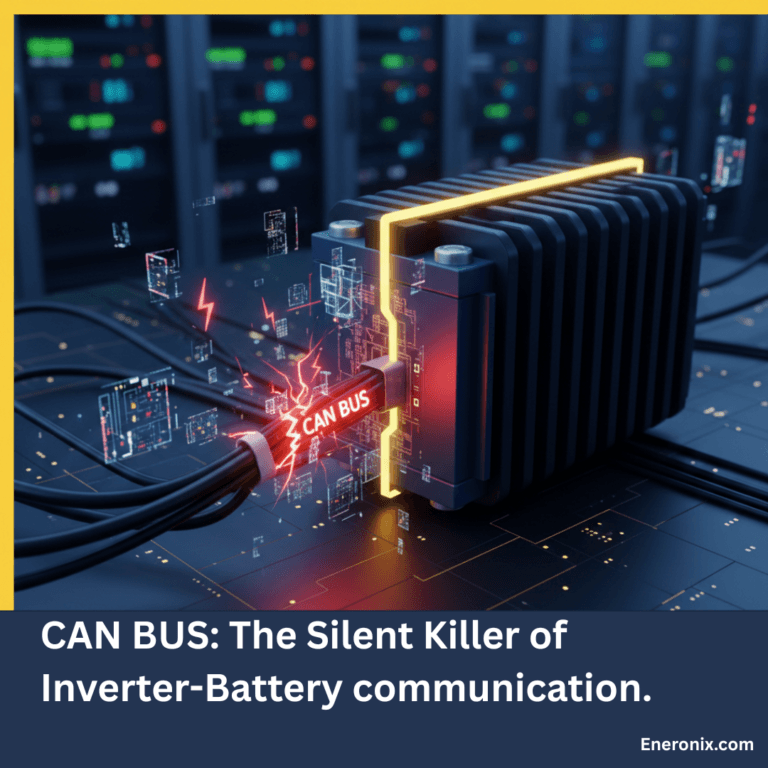
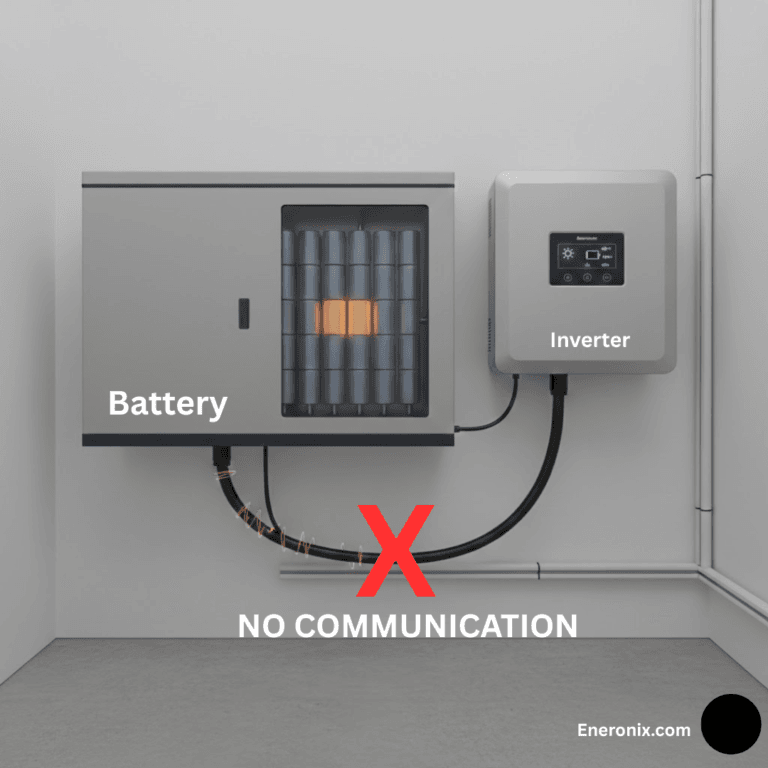
CAN BUS failures are the hidden culprit behind most inverter-battery communication breakdowns. From corroded connections to mismatched settings, these issues can completely paralyze your solar system. Here's what you need to know to prevent costly downtime.
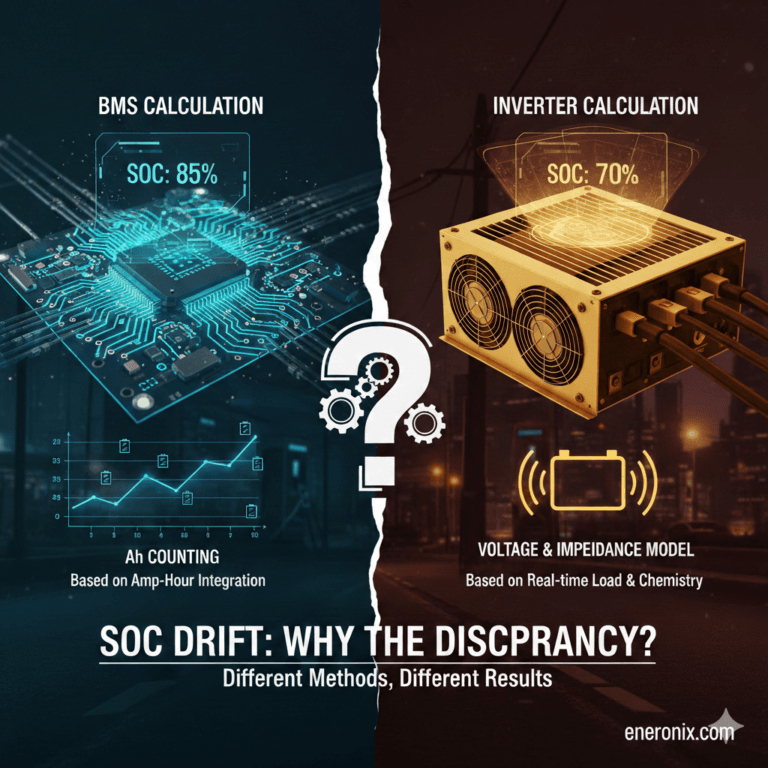
State of charge drift causes lithium batteries to shut down early, overcharge, or show wrong percentages. Learn why BMS and inverter SOC diverge and how to fix it.
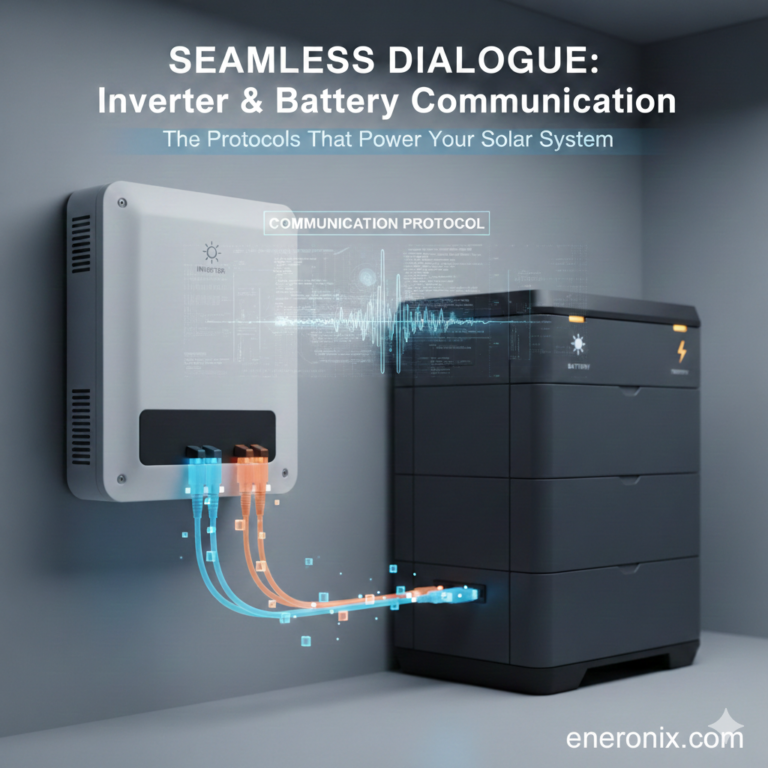
Discover why inverter battery communication protocols often fail in modern solar systems and how to prevent premature LFP battery degradation. This guide explores the critical control loop between the BMS and inverter, detailing how response lags, EMI noise, and SOC drift cause hidden capacity loss even when systems report normal operation.
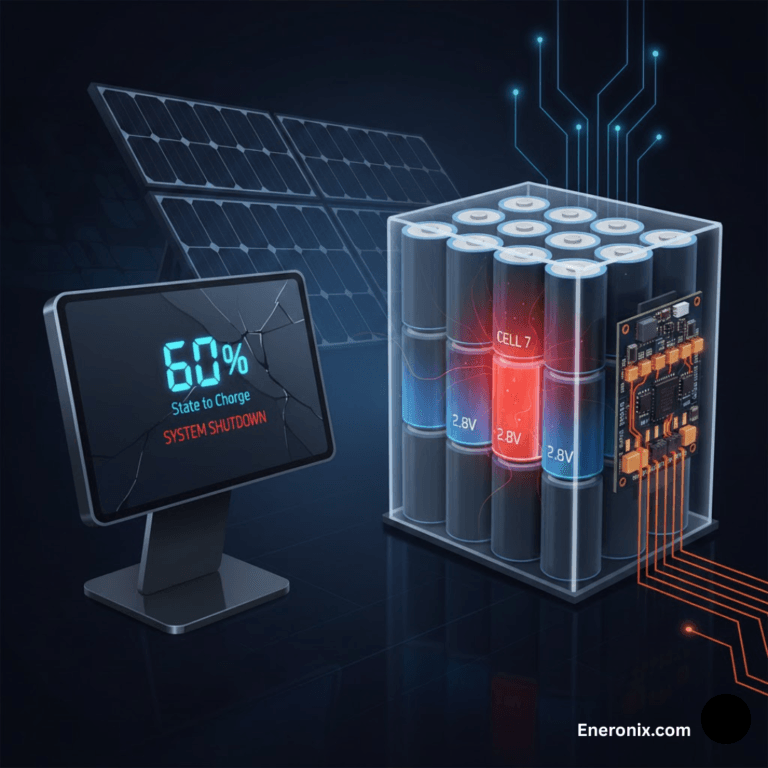
Solar batteries often fail while showing 60% charge. Learn why passive balancing BMS causes hidden capacity loss in high-discharge LiFePO₄ systems.
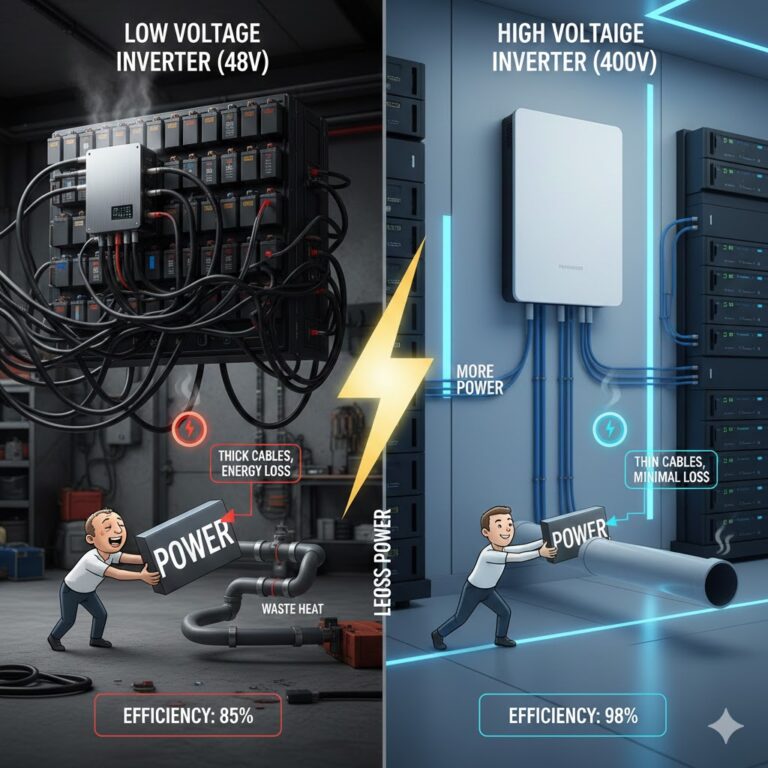
High voltage vs low voltage inverters explained by a practitioner. Compare efficiency, safety, wiring costs, and when each system makes sense.
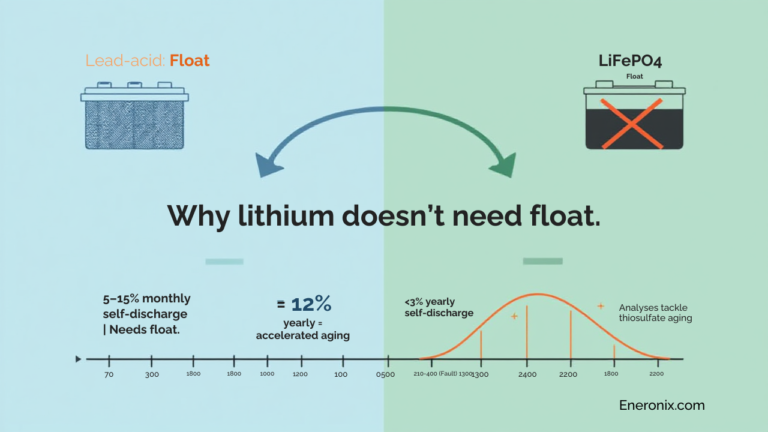
Float charging accelerates lithium battery aging by 20-30%. Why lithium doesn't need float, calendar aging mechanisms, and configuration to maximize lifespan.