SOC Drift in Lithium Battery Systems: Why Your BMS and Inverter Disagree
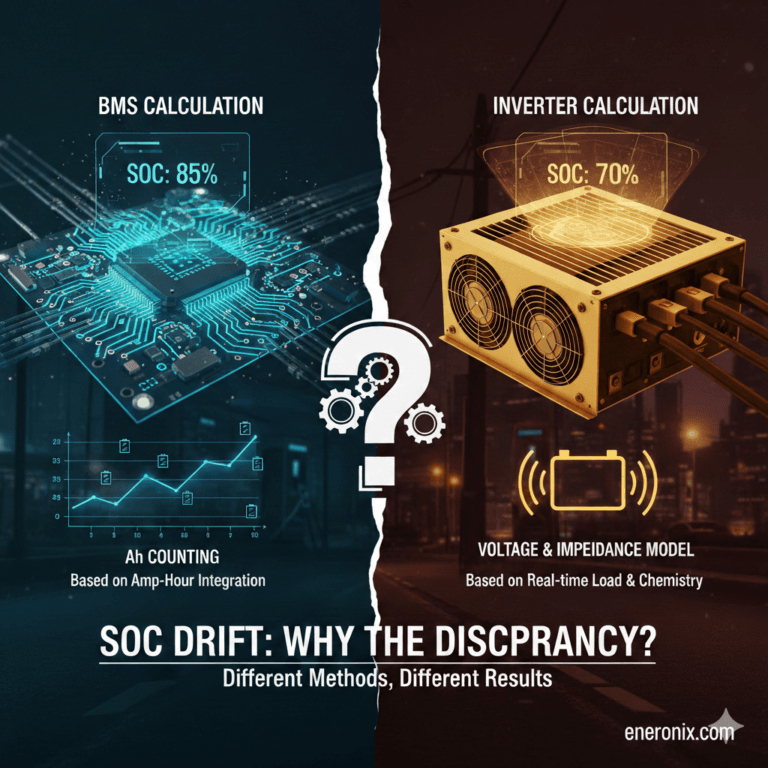
State of charge drift causes lithium batteries to shut down early, overcharge, or show wrong percentages. Learn why BMS and inverter SOC diverge and how to fix it.
Your Energy, Our Precision
Your Energy, Our Precision

State of charge drift causes lithium batteries to shut down early, overcharge, or show wrong percentages. Learn why BMS and inverter SOC diverge and how to fix it.
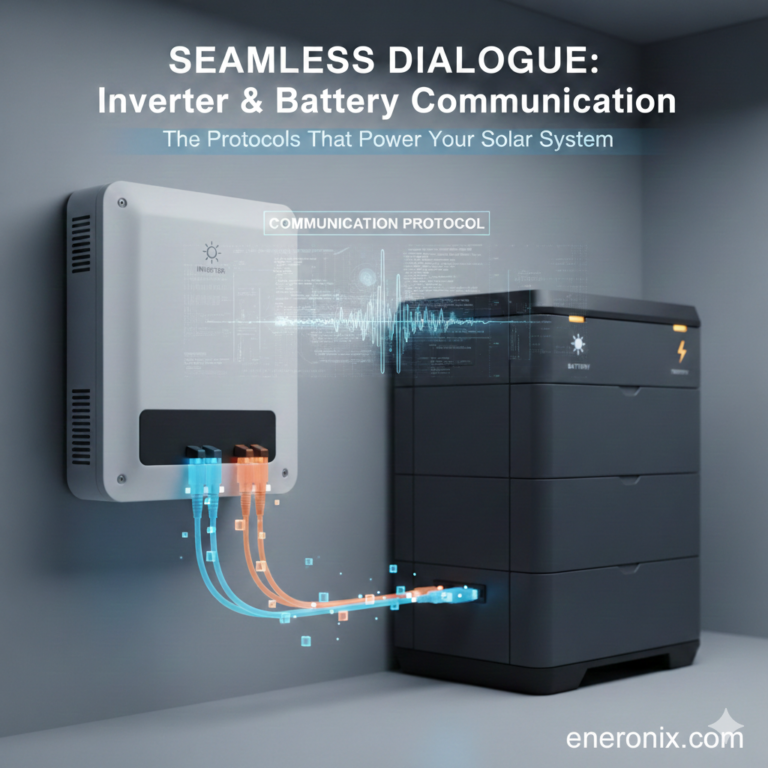
Discover why inverter battery communication protocols often fail in modern solar systems and how to prevent premature LFP battery degradation. This guide explores the critical control loop between the BMS and inverter, detailing how response lags, EMI noise, and SOC drift cause hidden capacity loss even when systems report normal operation.
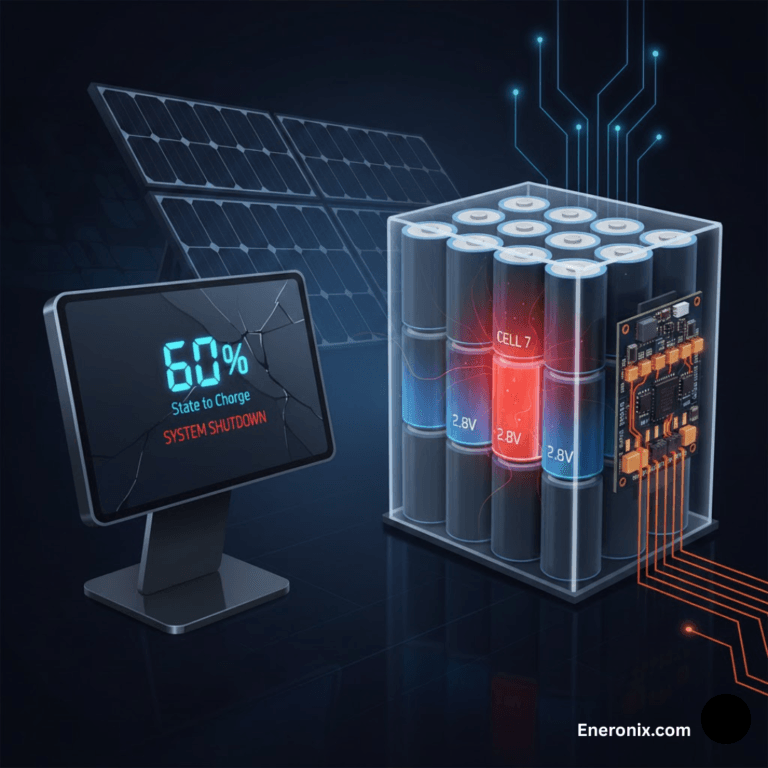
Solar batteries often fail while showing 60% charge. Learn why passive balancing BMS causes hidden capacity loss in high-discharge LiFePO₄ systems.
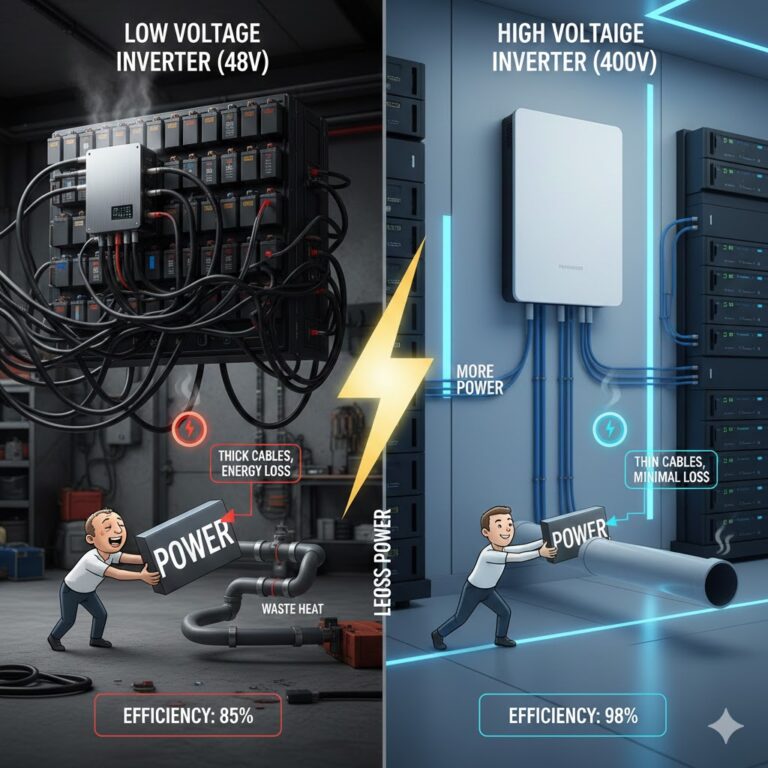
High voltage vs low voltage inverters explained by a practitioner. Compare efficiency, safety, wiring costs, and when each system makes sense.
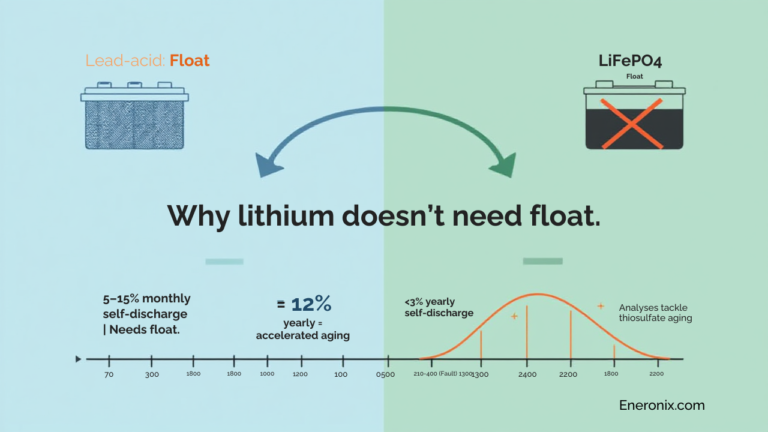
Float charging accelerates lithium battery aging by 20-30%. Why lithium doesn't need float, calendar aging mechanisms, and configuration to maximize lifespan.
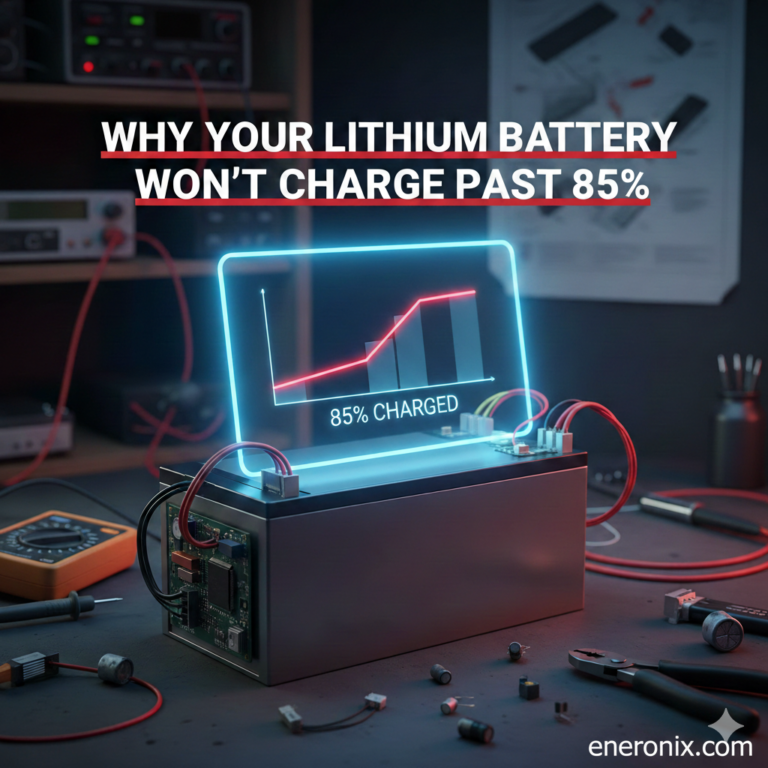
Introduction A lithium battery that “won’t charge past 85–90%” is one of the most common complaints installers and system owners report. The system shows adequate solar input, the charger reaches its configured absorption voltage, and yet usable capacity appears to…
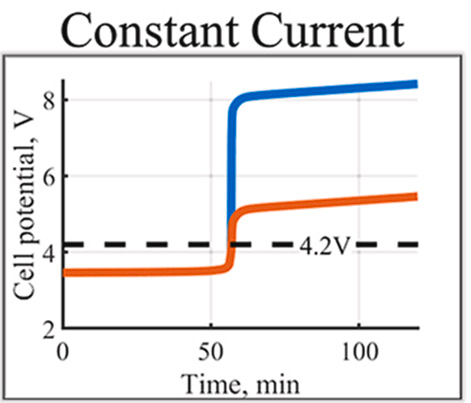
Introduction What “Bulk” Actually Means for Lithium We established in our previous post that lithium battery uses two-stage CC/CV charging, not three-stage bulk The “bulk” label is legacy terminology from lead-acid systems. For lead-acid, bulk means pushing high current through…
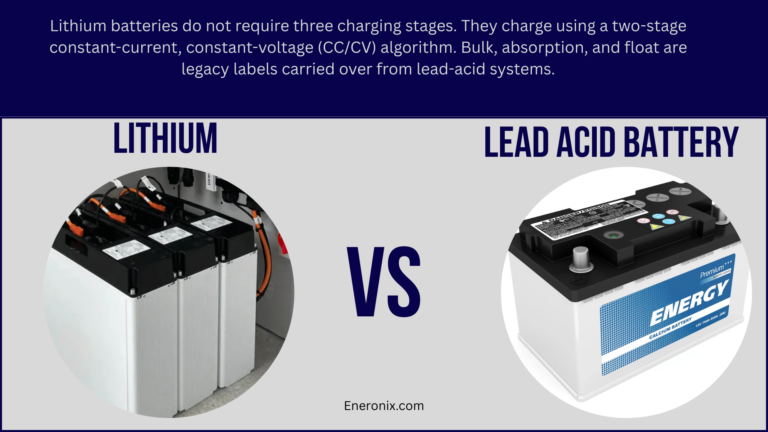
Discover why lithium batteries don’t need bulk, absorption, or float stages and how using a lead-acid framework can reduce battery life by years. Essential reading for lithium installers.
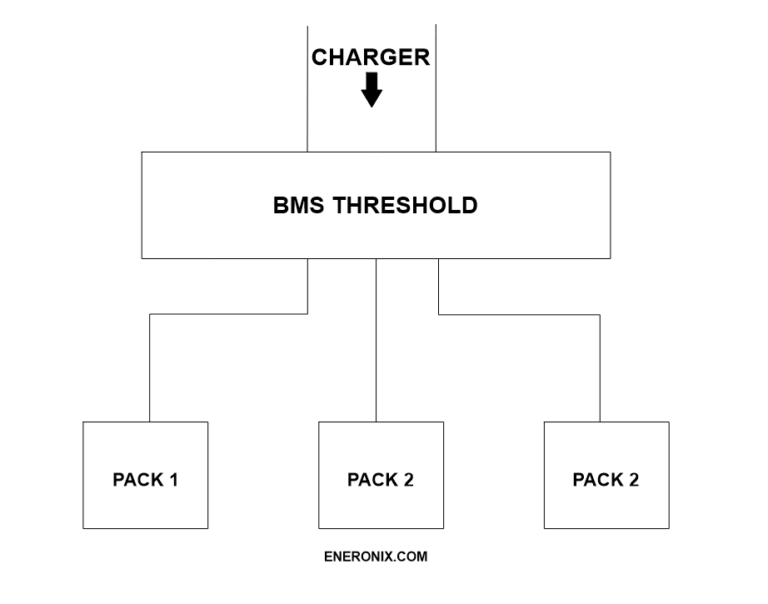
Learn why incorrect BMS cutoffs voltage settings cause premature shutdowns, imbalance, and lost lithium battery capacity.
Why solar-battery systems fail after 18–24 months. A technical breakdown of inverter, BMS, MPPT, and thermal integration failures installers overlook.