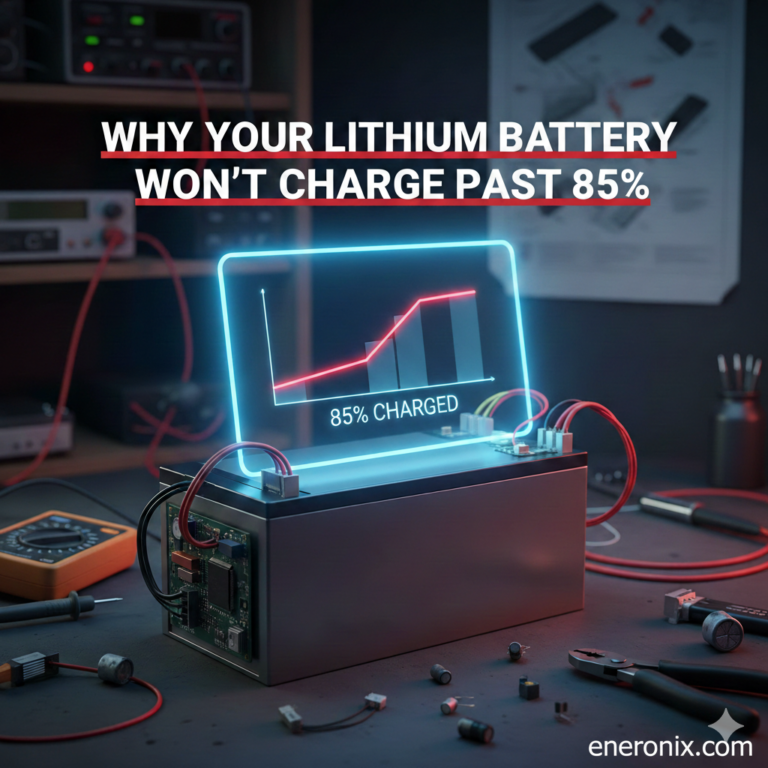
5 Critical Truths About Absorption Stage in Lithium Batteries
Introduction A lithium battery that “won’t charge past 85–90%”…
Your Energy, Our Precision
Your Energy, Our Precision
Introduction A lithium battery that “won’t charge past 85–90%”…
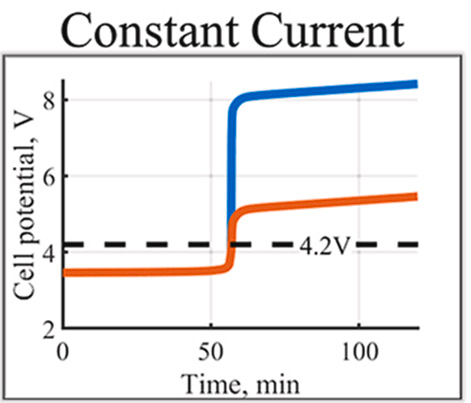
Introduction What “Bulk” Actually Means for Lithium We established…
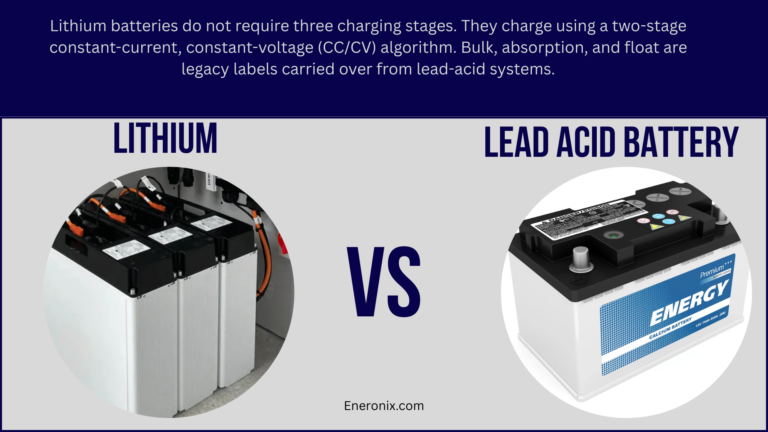
Discover why lithium batteries don’t need bulk, absorption, or float stages and how using a lead-acid framework can reduce battery life by years. Essential reading for lithium installers.
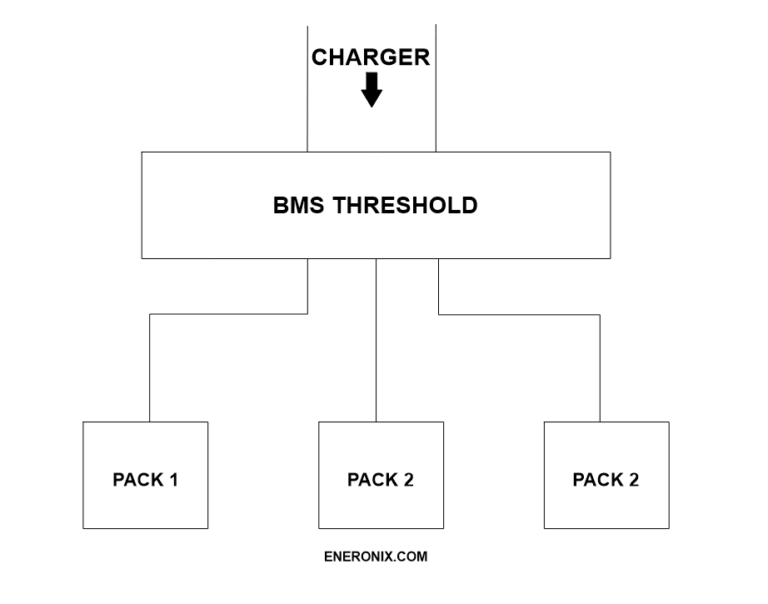
Learn why incorrect BMS cutoffs voltage settings cause premature shutdowns, imbalance, and lost lithium battery capacity.
Why solar-battery systems fail after 18–24 months. A technical breakdown of inverter, BMS, MPPT, and thermal integration failures installers overlook.
Chasing maximum usable capacity is degrading your lithium battery bank prematurely. We reveal the cycle life cost of 100% DoD and provide field-tested BMS voltage limits and sizing strategies for true long-term performance.
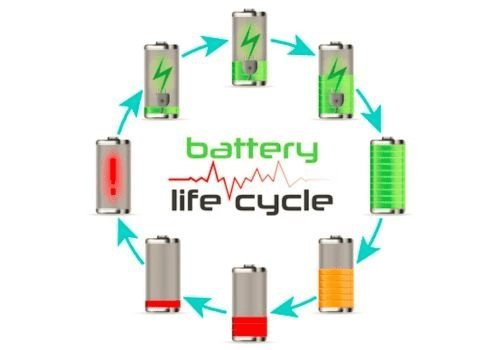
Lithium battery aging is driven less by the number of cycles and more by how those cycles are executed. Managing depth of discharge, voltage, and temperature is what truly extends system life.
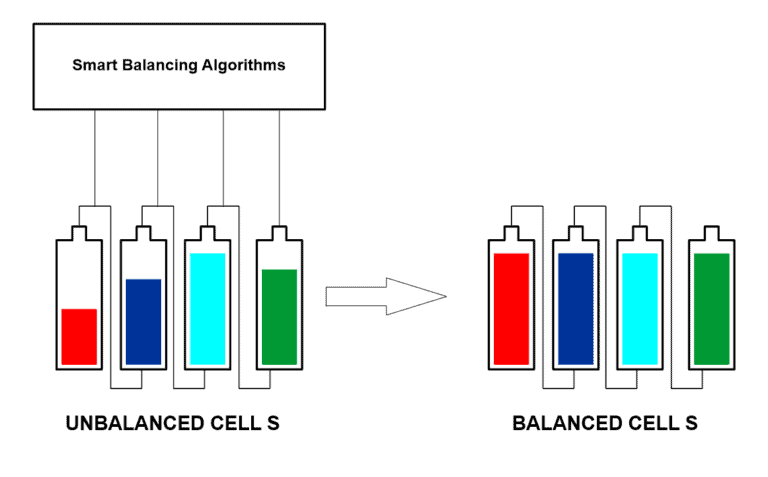
Learn how smart BMS balancing algorithms work, compare active vs passive methods, and discover how modern BMS extends lithium battery life and safety. Complete guide with examples.
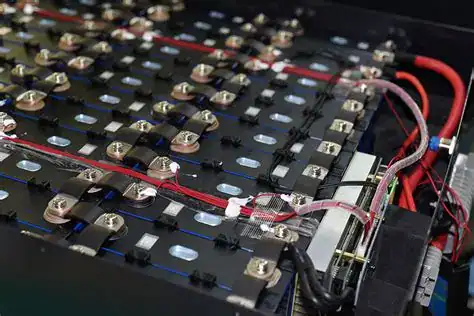
Most lithium batteries fail long before their advertised lifespan not because of the chemistry, but because of what’s hidden inside the pack. Behind identical labels and metal enclosures are radically different cell arrangements, electrical paths, and protection systems that determine whether a battery survives years of daily cycling or collapses under real-world load. This article opens the battery pack and explains what truly separates reliable lithium systems from expensive disappointments.